Mass Times
St. Patrick Mission:
Saturday Vigil @ 4:00 p.m.
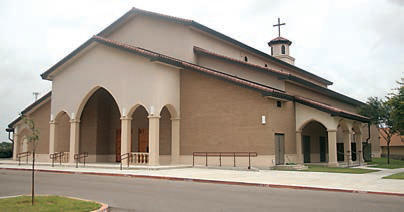
St. Thomas the Apostle:
Saturday Vigil @ 5:30 p.m.
Sunday Masses
@ 8:30 a.m. & 11:00 a.m.
Confession: By Appointment &
30 Minutes before Holy Mass
ST THOMAS the APOSTLE
WEEKDAY MASSES
MONDAY: No Mass
TUESDAY: 12:00 noon
WEDNESDAY: 12:00 noon
THURSDAY: 12:00 noon
(Holy Rosary 11:40 a.m.)
FRIDAY: 12:00 noon
(Divine Mercy 11:45 a.m.)
Online Giving
Help to sustain your church with the security and convenience of Online Giving. Forget the checkbook and make tithing simple for you and your family.

Parish Office Hours:
Monday, Wednesday, Friday 8:00 a.m. - 11:00 a.m.
Tuesday & Thursday 8:30 a.m. - 11:30 a.m. and 1:00 p.m. - 4:00 p.m.
Message from the desk of the Pastor:
God speaks to us in many ways, including through the Sunday Scripture readings.
The Sunday Connection from Loyola Press provides useful background and activities to better understand the upcoming Sunday's Scripture readings, helping you to connect the Scripture to daily life in a meaningful way.
THE TWENTY-NINTH SUNDAY IN ORDINARY TIME
Sunday, October 18, 2026
Gospel Reading
Matthew 22:15-21
The Pharisees send their disciples to test Jesus with a question about taxes.
Background on the Gospel Reading
In today’s Gospel Jesus and the religious leaders in Jerusalem continue their tense exchange of questions and challenges. At this point the disciples of the Pharisees, together with the Herodians, try to entrap Jesus by their question about the payment of taxes.
Matthew sets up an unusual partnership between the Pharisees and the Herodians. The Herodians were supporters of Herod Antipas, a Jewish political leader who collaborated with the Romans. Such collaboration would have required a compromised observance of the Mosaic Law. The Pharisees, on the other hand, taught scrupulous observance of the Mosaic Law and opposed Roman occupation. Herodians favored the payment of taxes; the Pharisees opposed it. The Herodians and the Pharisees approach Jesus, asking that he take sides in their dispute. If Jesus answers with the Pharisees, he shows himself to be an enemy of Rome. If he answers with the Herodians, he offends popular Jewish religious sensibilities.
Jesus’ response to this attempt to trap him exposes the guile of his questioners. From his first words to them, Jesus shows that he is very much aware of what they are trying to do. He asks to see a Roman coin, which is readily provided to him. It may have come from the hand of a Herodian, but the Pharisees show themselves to be quite willing to accept this compromise. Jesus has already exposed the Pharisees as hypocrites.
Jesus takes his response one step further. He asks that his questioners examine the coin. Agreeing that it is Caesar’s image on the coin, Jesus tells them that it must belong to Caesar. Avoiding the question of lawfulness altogether, Jesus answers their question with simple logic. Then, going further still, Jesus tells them that their obligation is to pay to God that which belongs to God.
Jesus’ response to the Herodians and Pharisees suggests the ethic that Christians ought to adopt. It reminds us of the importance of keeping things in their proper perspective. Do we attach ourselves to worldly things at the expense of the love and honor that we owe to God?
Family Connection
Payment of taxes is unlikely to be a disputed issue in your family. Yet families can still learn something from this Gospel reading. Jesus’ answer to the Herodians and Pharisees redirects their question to focus on the issue of greatest importance: loving and honoring God. Taking this perspective can help us make good judgments about the competing issues of importance in our lives.
As your family gathers, make a list of the activities that your family spends time doing together, such as household tasks, jobs, academics, and recreational activities. Talk about the importance of each of these activities. Ask what would happen if there were an imbalance in our attention to these activities and we spent too much time on one activity at the expense of another.
In today’s Gospel Jesus reminds us of the necessity of giving things their proper importance. Read Matthew 22:15-21. The Herodians and Pharisees were giving too much importance to the issue of the payment of taxes. Jesus reminds them that loving and honoring God is of greater importance. In family life we do many important things, but we remember that God is of the greatest importance in our lives. Pray together that your family will learn to keep things in proper perspective, remembering to keep God first in your lives. Pray together today’s psalm, Psalm 96.
-
![]()
-
![]()
-
![]()
-
![]()
Ministries
ButtonSpreading faith and love